

Medical Sensors & Devices
Precision & Functionality
In critical care, there’s almost nothing more important than having the most accurate and precise data on a patient’s condition. That information can make all the difference in delivering treatment that matters.
Medical sensors, though small, are pivotal in achieving precise, effective, and safe patient care outcomes. Especially when custom-made, these sensors allow medical devices to meet the necessary performance benchmarks, making them invaluable tools for healthcare professionals in delivering patient care.
In our guide, “Critical Care Medical Sensors & Devices Matching Precision With Functionality,” you’ll dig into sensor technology’s role in critical care devices and providing effective patient treatment. We cover:
- Patient Care Metrics That Matter: Temperature & Pressure
- Pressure and Temperature Sensor Applications
- Sensor Selection: Custom Sensors Vs. Off-the-Shelf Sensors
- Medical Sensor Design to Their Environments
- & Much More
Fill out the form on this page to get your copy now!
Sneak Peek: What You’ll Get in This Guide…


Temperature and Pressure Sensors: Monitoring Key Metrics in Critical Care
In critical care, minor details in a patient’s condition can signal major issues, similar to specific elements monitored during procedures or within medical device functionality
Vital for maintaining stability and delivering proper treatments, pressure and temperature monitoring are at the forefront of identifying and tackling complex medical issues. Thus, pressure and temperature sensors are indeed critical components in critical care devices.
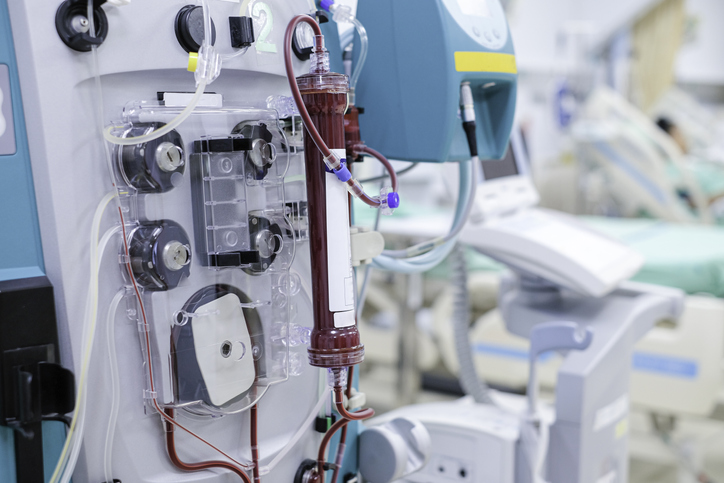
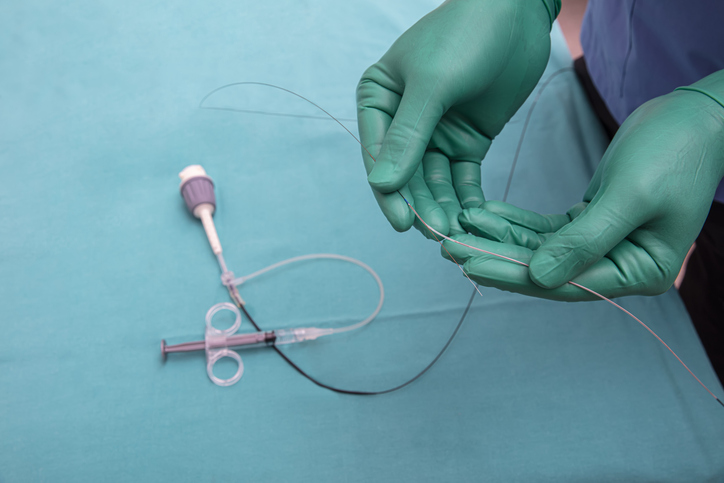
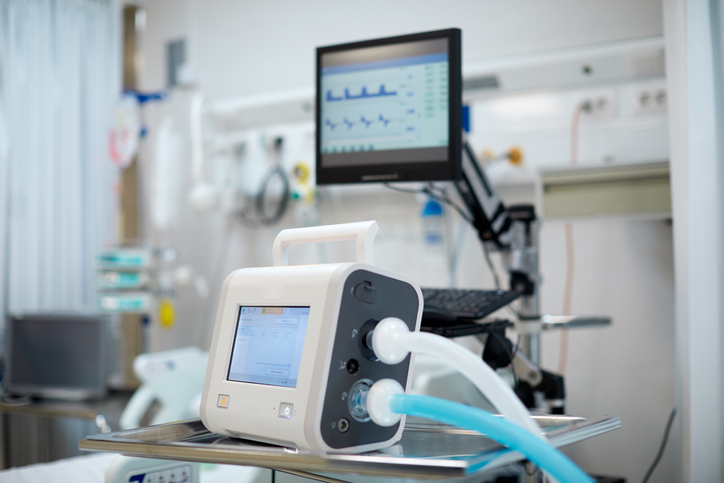
You’ll find them in almost every facet of critical care, used in devices for respiratory, ablation, circulation, dialysis, and more.
Choosing Medical Device Sensors for the Rigors of Application
While off-the-shelf sensors are readily available and designed for general use, custom-made sensors are tailored for specific applications, offering precision and reliability in your device’s function. Custom sensors alleviate concerns about fitting and meeting application demands, as they are crafted uniquely for your device, enhancing its performance and functionality. Choosing a custom sensor ultimately provides peace of mind, ensuring your device operates optimally for its intended purpose. |
Sensor Design to Their Environment
Medical sensors operate in challenging environments, exposed to harsh chemicals, temperature shifts, and dynamic conditions affecting their performance, longevity, accuracy, and reliability.
When collaborating with manufacturers to develop robust and accurate sensors, it’s vital to consider the varied environmental factors they’ll encounter and ensure the design maintains precision throughout the device's useful life.
Ready to Dig In?
Download this guide now by filling out the form on this page!
